


Designing effective, evidence-based training programs traditionally demands significant time, cross-disciplinary collaboration, and specialized athletic expertise. As LLMs become increasingly mainstream, can an AI personal trainer truly deliver a program that is both safe and effective?
These large language models (OpenAI's ChatGPT, Google's Gemini, and Microsoft Copilot) can equalize personalized fitness coaching by analyzing complex user inputs and generating customized routines.
Yet, as academic reviews reveal, translating the technological promise of AI into safe, clinically viable fitness interventions is a double-edged sword.
Here, we examine the current state of using an AI personal trainer in exercise programming, highlighting the good, the bad, their actual accuracy, the best-fit use cases, and the scenarios where they must never be deployed.
The introduction of LLMs to sports science and digital health offers several transformative benefits, particularly in improving user engagement, saving administrative time, and scaling behavioral interventions.
1. Highly Tailored, Low-Cost Interventions
Unlike traditional static fitness apps, LLMs can ingest personalized health data, schedules, and preferences to output customized exercise programs. This capability is highly scalable, offering low-cost digital coaching solutions that dramatically improve accessibility to fitness resources in remote, rural, or underserved communities.
2. Time Efficiency for Healthcare Providers
For exercise physiologists, therapists, and clinicians, developing exercise recommendations is exceptionally resource-intensive. Research indicates that integrating AI-driven tools into clinical workflows reduces the administrative time required to build personalized plans, thereby enhancing general operational efficiency.
3. Behavioral Support & Immediate Interventions
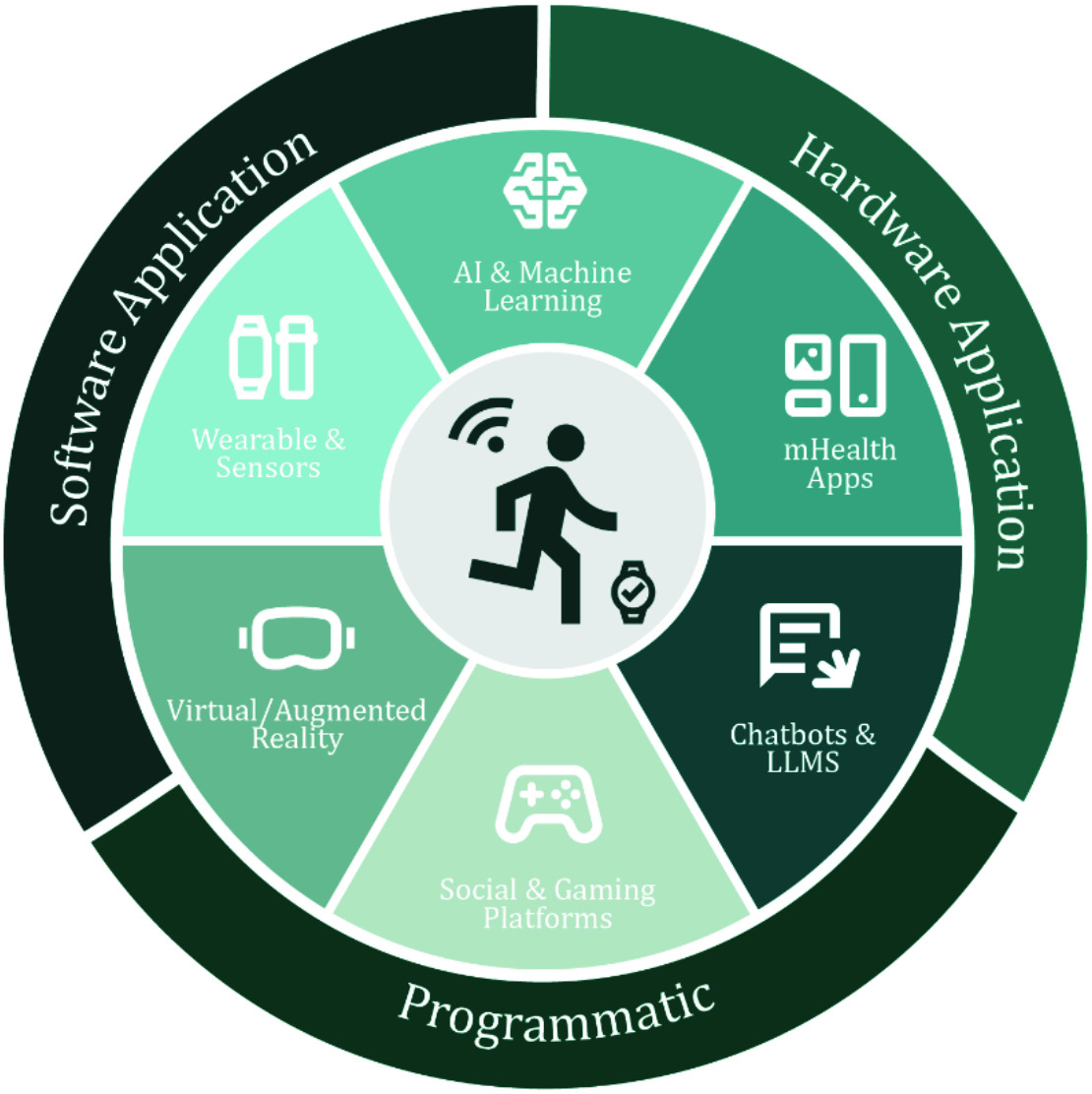
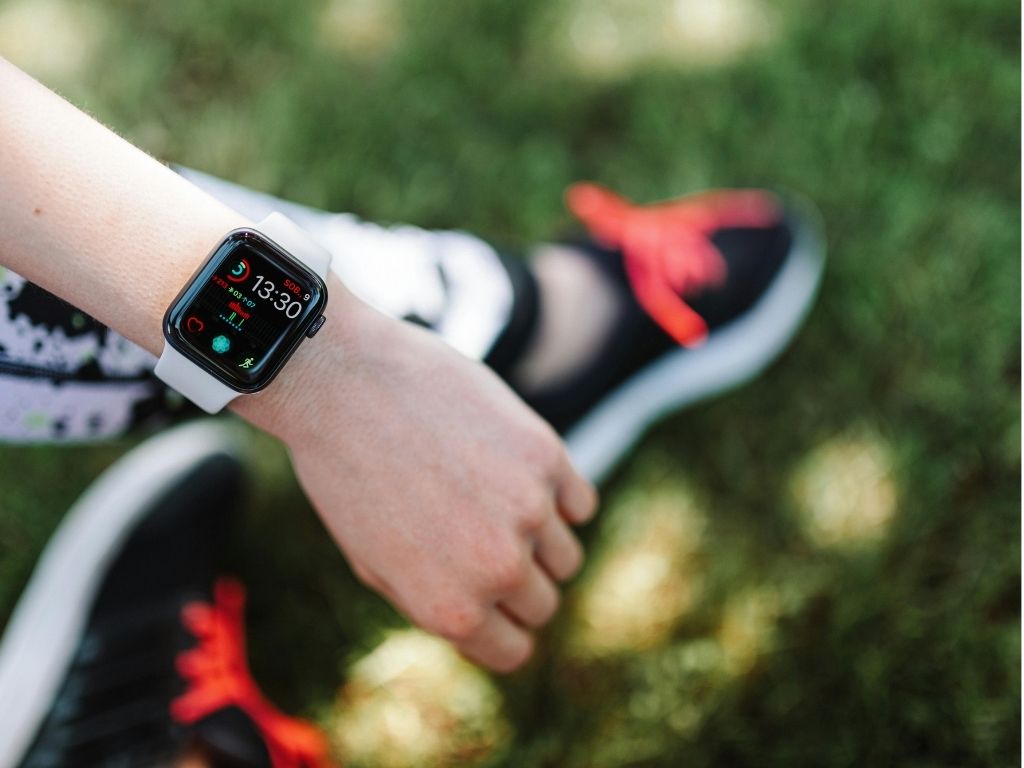
LLMs excel at natural language processing, making them highly effective tools for behavioral and motivational support. By tracking live data from your smartwatch, like your daily steps or heart rate changes, AI can send you personalized encouragement or tweak your workout plan immediately.
In prospective studies, AI generated just-in-time recommendations have been rated higher in quality, effectiveness, and emotional impact than those generated by either health professionals or laypersons.
While LLMs are highly engaging conversationalists, their factual and clinical accuracy in exercise prescription remains a major area of concern. Systematic scoping reviews highlight a distinct gap between the models' linguistic capabilities and their clinical safety.
1. Comprehensiveness vs. Accuracy
A mixed-methods study by Zaleski et al. (2024) found that while ChatGPT-generated exercise recommendations exhibited high accuracy (90.7%), they suffered from moderate comprehensiveness (only 41.2%). The models often omitted critical details necessary for a complete prescription.
2. Deviation from Professional Standards
Comparative evaluations reveal that general-purpose LLMs still fall short of professional expertise, particularly in aligning with the strict physiological standards set by the American College of Sports Medicine (ACSM) or National Academy of Sports Medicine (NASM).
3. Safe but Too Conservative
When evaluated on complex patient health profiles (such as cardiac rehabilitation or metabolic disorders), LLMs like GPT-4 often generate exercise plans that are safe but overly conservative, lacking the precise personalization required to drive physiological progress.
Integrating generative AI into physical health interventions carries several immediate technical, ethical, and clinical risks.
1. Lack of Training Transparency
LLMs rarely disclose whether their models have been trained or fine-tuned on specialized sports science data, clinical guidelines, or evidence-based physical therapy textbooks. This lack of transparency makes it extremely difficult to evaluate model reliability.
2. Algorithmic Bias and Injury Risk
General-purpose language models are highly susceptible to training biases. They may generate exercise programs that are far too strenuous for older adults, physically dangerous for individuals recovering from orthopedic surgeries, or structurally inappropriate for individuals with chronic illnesses, significantly elevating the risk of acute injury.
3. Patient Privacy and HIPAA/GDPR Compliance
To personalize an exercise plan, an LLM must process highly sensitive information, including demographic profiles, medical histories, and continuous streams of biometric data from wearable devices. Processing this private data on third-party servers presents severe compliance hurdles under the General Data Protection Regulation (GDPR) and the Health Insurance Portability and Accountability Act (HIPAA).
4. No Long-Term Behavioral Validation
Perhaps the most glaring limitation is that no peer-reviewed studies have evaluated the long-term impact of LLM-based coaching on actual behavior change, physical fitness, or clinical health outcomes. Most academic literature is constrained to short-term feasibility pilots or synthetic simulation studies.

When used correctly, LLMs can be highly effective tools. The current evidence supports their use in the following domains:
1. General Health Promotion in Healthy Populations
Assisting healthy, low-risk individuals in establishing regular exercise habits and active lifestyles.
2. Behavioral & Motivational Micro-Coaching
Powering conversational chatbots to deliver daily step-count motivation, supportive messages, and diet reflections.
3. Real-Time Reflection on Wearable Data
Ingesting Fitbit or Apple Watch data to translate raw step counts into engaging, reflective narrative summaries that improve user self-awareness and fitness adherence.
4. Clinical Workflow Augmentation
Acting as a "co-pilot" or decision support tool for exercise physiologists, therapists, and certified personal trainers to rapidly draft template programs, which the professional then reviews, refines, and authorizes.
To protect patient safety and mitigate liability, LLMs should strictly be avoided in the following scenarios:
1. Standalone Patient-Facing Clinical Prescriptions
Direct, patient-facing use for disease treatment, physical rehabilitation, post-stroke recovery, or cardiovascular therapy without professional human supervision is deemed highly inappropriate and dangerous.
2. High-Risk Medical Populations
Individuals with severe chronic conditions, metabolic disorders, complex medication lists, or acute orthopedic injuries must never rely on an autonomous chatbot to dictate physical activity.
3. Autonomous Specialized Programming
Developing complex athletic strength, conditioning, or high-intensity training protocols where small deviations in load, intensity, or volume could lead to overtraining or severe joint trauma.
To safely transition LLMs from conversational novelty to clinically validated tools, the exercise science field is looking toward new technological safeguards.
The integration of Retrieval-Augmented Generation (RAG) represents a major technical milestone. RAG interfaces the generative flexibility of LLMs with specialized, curated databases comprising gold-standard medical text, such as ACSM guidelines or sports medicine textbooks. By forcing the model to retrieve information from peer-reviewed literature before formulating an exercise program, RAG dramatically reduces the risk of dangerous factual hallucinations.
Any future development must prioritize sourcing rigorous, proven science to ensure safe, effective, and ethical coaching.
Until these secure, evidence-based systems are standardized, the golden rule of using an AI personal trainer remains: always keep a qualified human professional in the loop.

Psst...if you made it this far, congratulations! You're clearly a master of fine print detection. Now, let's put those detective skills to good use and schedule a consultation call or reach out through the little buttons below.
Psst...if you made it this far, congratulations! You're clearly a master of fine print detection. Now, let's put those detective skills to good use and schedule a consultation call to see how this all works in real life.
