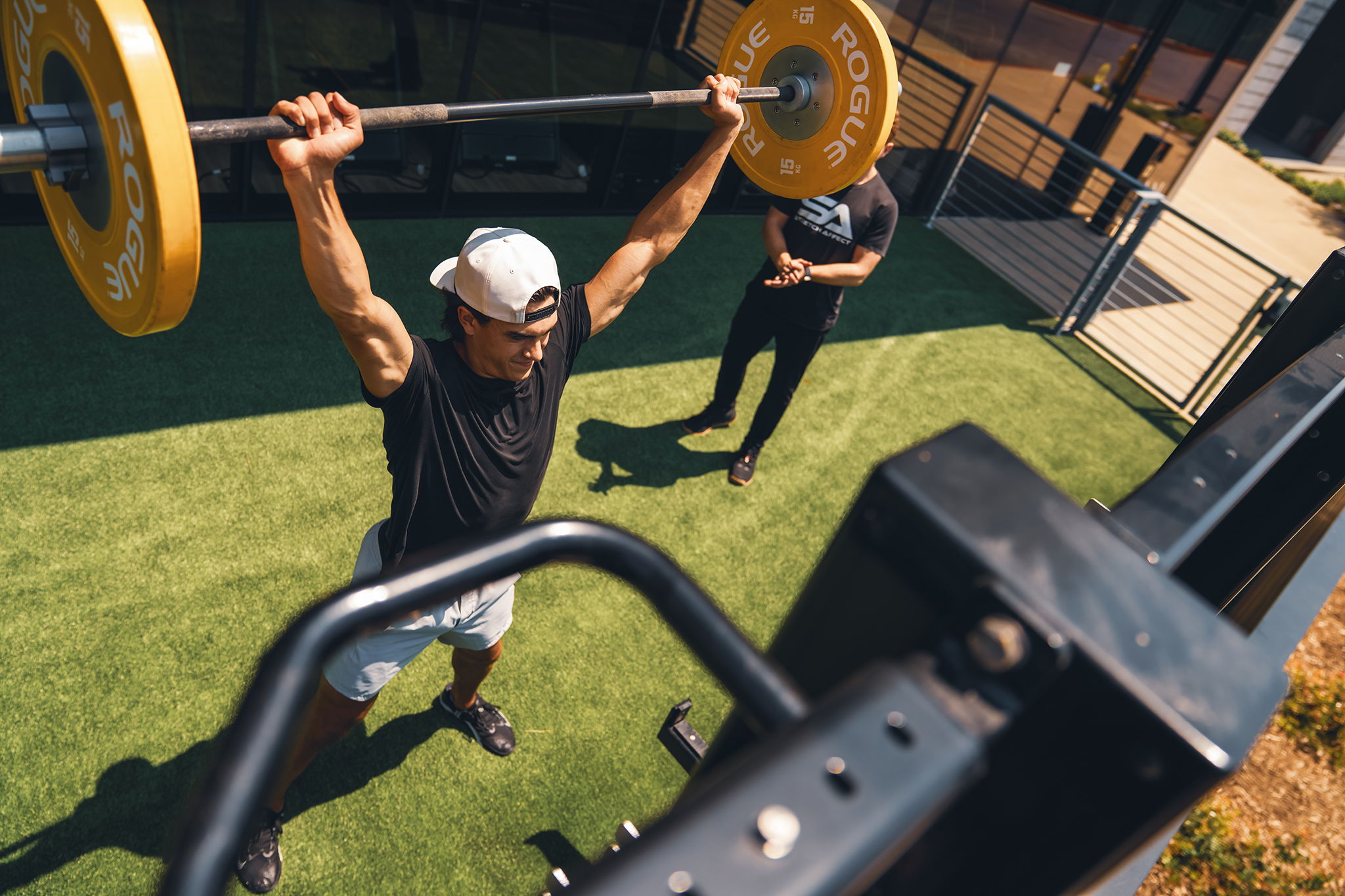


The new 2026 ACSM guidelines confirm that resistance training is one of the most important things you can do for long-term health, performance, and longevity.
The gold standard for resistance training programming comes from the American College of Sports Medicine (ACSM). Since 2009 their guidelines had remained the same; however, with over 30,000 new research papers published since then, an update was long overdue. The newly released 2026 ACSM Position Stand, Resistance Training Prescription for Muscle Function, Hypertrophy, and Physical Performance in Healthy Adults: An Overview of Reviews, provides a massive evidence-based overhaul, synthesizing data from 137 systematic reviews involving more than 30,000 participants.
The message is clear: Resistance training is a cornerstone of health throughout the human lifespan, essential for maintaining muscle function, metabolic health, and physical independence. Whether you are a novice or an experienced lifter, these updated guidelines offer a roadmap to optimizing your training.
The American College of Sports Medicine is a leading authority that sets evidence-based guidelines for exercise, performance testing, and clinical fitness. Many professionals from healthcare to fitness to performance and testing look to ACSM for recommendations on exercise guidelines, rehab protocols, metabolic testing, and exercise physiology.
The analysis found that cross-the-board, resistance training delivered clear benefits to your overall health.
Compared with doing no exercise, strength training significantly improved:
• muscle strength
• muscle size
• power
• endurance
• balance
• walking speed
• overall physical function
1. Resistance Training is Essential for Lifelong Health
Guideline: All healthy adults should engage in muscle-strengthening activities at a moderate or greater intensity at least two days a week, involving all major muscle groups.
Resistance training, often called strength or weight training, is far more than just a tool for building bigger muscles. It is a specialized method of physical conditioning that improves muscular strength, power, and endurance while providing broad health benefits. Regular resistance training is associated with reduced mortality and a lower risk of chronic conditions, including cardiovascular disease, cancer, and diabetes. Furthermore, resistance training has been shown to reduce symptoms of depression and improve sleep quality.
2. To Maximize Strength, Lift Heavy and Prioritize Order
Guideline: Heavier loads provide a superior stimulus for maximal force production. Guideline: Perform your most important strength exercises at the beginning of your training sessions when fatigue is lowest.
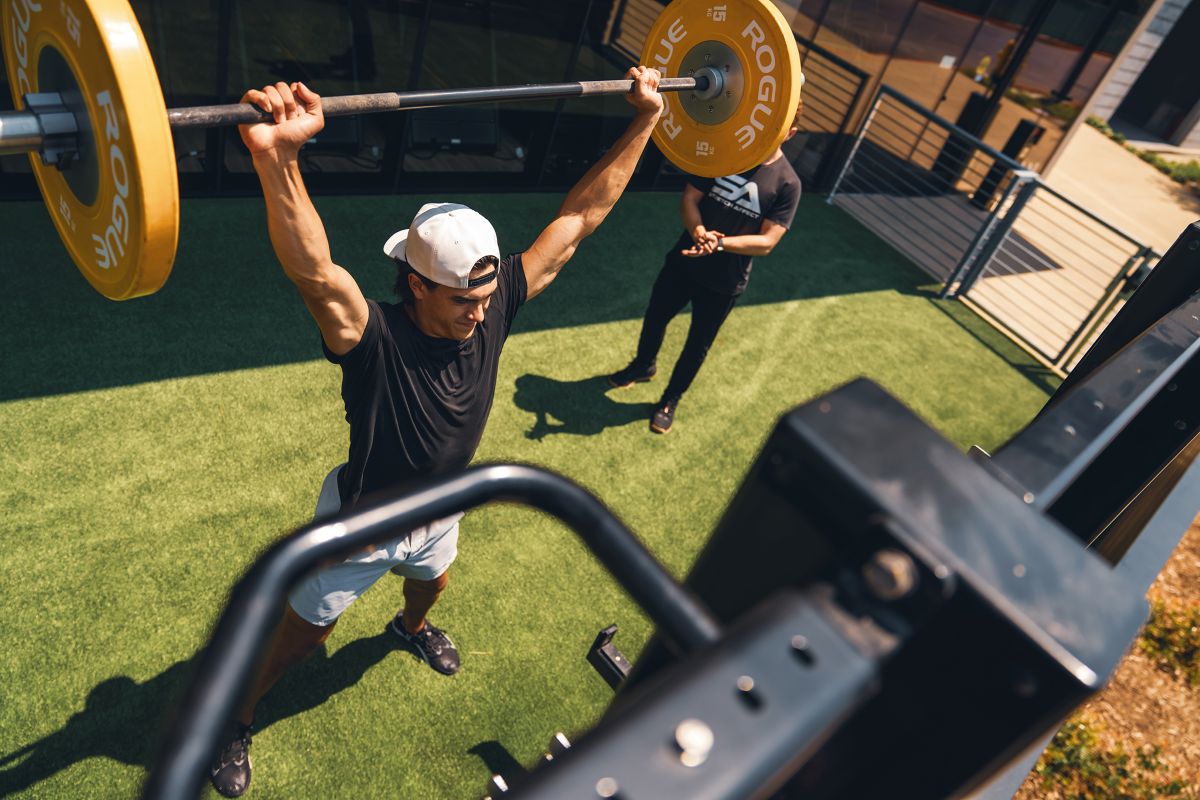
If your primary goal is to increase voluntary strength (your one-repetition maximum), the specific variables of your prescription matter significantly. The meta-analysis shows that strength is most effectively enhanced when lifting heavier loads (≥80% 1 rep max). While you can get stronger with lighter weights, heavier loads provide a superior stimulus for maximal force production.
Beyond just the weight on the bar, the order of your exercises plays a vital role. To see the best gains, you should perform your most important strength exercises at the beginning of your training sessions when fatigue is lowest. Additionally, the evidence supports training through a complete range of motion and performing at least 2–3 sets per exercise to maximize strength adaptations.
3. Muscle Size is Driven by High Volume and Eccentric Loading
Guideline: Increasing muscle size requires higher volume of at least 10 sets per muscle group per week.
For those looking to increase muscle size (hypertrophy), the "dose" of exercise is the most critical factor. The sources indicate that muscle growth is significantly enhanced by higher weekly volumes, specifically aiming for at least 10 sets per muscle group per week. Interestingly, while load is crucial for strength, hypertrophy can be achieved across a wide range of loads (from 30% to 100% 1RM) as long as total volume is equated.
Another powerful tool for growth is eccentric overload—focusing on the lowering phase of a lift or using devices that provide extra resistance during the muscle lengthening phase. The research suggests that eccentric-only or eccentric-heavy training can yield superior hypertrophic results compared to concentric-only training.
4. Power Training is Key for Physical Function and Speed
Guideline: training for power is effective at improving physical function in older adults.
Muscle power—the ability to produce force quickly—is a distinct adaptation from strength or size. To optimize power, the guidelines suggest using moderate loads (30%–70% 1RM) performed with maximal volitional speed during the concentric (pushing/lifting) phase.
This type of training isn't just for athletes. Training for power is particularly effective at improving overall physical function (think walking up and down stairs, getting up from a chair, balance) in older adults. Techniques using explosive concentric movements help maintain the fast-twitch muscle fiber capabilities necessary for preventing falls and maintaining mobility.

5. You Don’t Have to Train to Failure for Results
Guideline: Aiming for near-failure, which can be quantified as having 2–3 repetitions in reserve provides adequate stimulus for adaptation.
One of the most significant "myth-busting" findings in the new guidelines is that training to muscle failure is not necessary for improvements in strength, hypertrophy, or power. While you need to exert high effort, pushing every set until you can no longer move the weight does not consistently produce better outcomes and may even increase the risk of overtraining or injury.
Instead, the guidelines suggest aiming for near-failure, which can be quantified as having 2–3 repetitions in reserve. This approach provides an adequate stimulus for adaptation without excessive fatigue associated with absolute failure, making it a safer and more sustainable strategy for most adults.
6. Nontraditional Resistance Training is Highly Effective and Accessible
Guideline: Choose the equipment that best fits your preference, safety needs, and environment without worrying that you are missing out on gains.
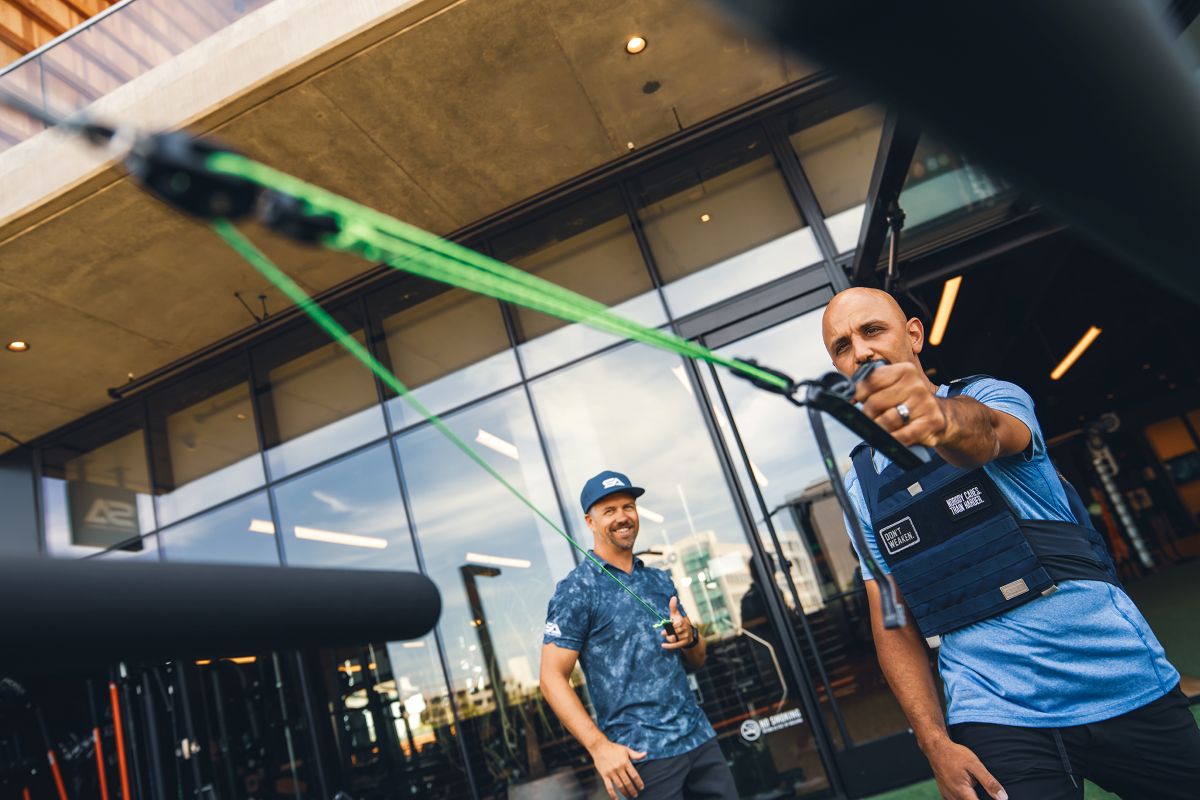
You don't need a state-of-the-art gym to reap the benefits of resistance training. The evidence shows that elastic band training and home-based programs significantly improve strength, balance, and physical function. For many adults, particularly those who find commercial gyms intimidating or inaccessible, these nontraditional forms of resistance training offer an effective way to meet health guidelines.
The sources also found that equipment type (machines vs. free weights) and exercise complexity do not consistently impact training outcomes. This means you can choose the equipment that best fits your preference, safety needs, and environment without worrying that you are "missing out" on gains.
7. Resistance Training is Safe for All Ages
Guideline: Resistance training is safe for healthy adults of all ages
A common barrier to starting resistance training, especially among older adults, is the fear of injury. However, the data confirms that resistance training is safe for healthy adults of all ages. In a large-scale analysis of over 38,000 participants, resistance training did not increase the risk of serious adverse events. In fact, cardiovascular complications occur significantly less frequently during resistance training than during aerobic training. By starting with appropriate loads and focusing on proper form, the benefits of resistance training far outweigh the risks for the general population.
8. Consistency Over Complex Programming
Guideline: You do not need to change your routine to see benefits. Consistency over rigidity leads to significant improvements.
While the fitness industry often emphasizes complex "periodization" (systematically changing your routine), the ACSM found that periodization is not significantly superior to non-periodized programs for most healthy adults. While varying your routine can help with long-term adherence and managing fatigue, the most important factor is progressive overload—gradually increasing the stimulus (load, volume, or effort) as your body adapts.
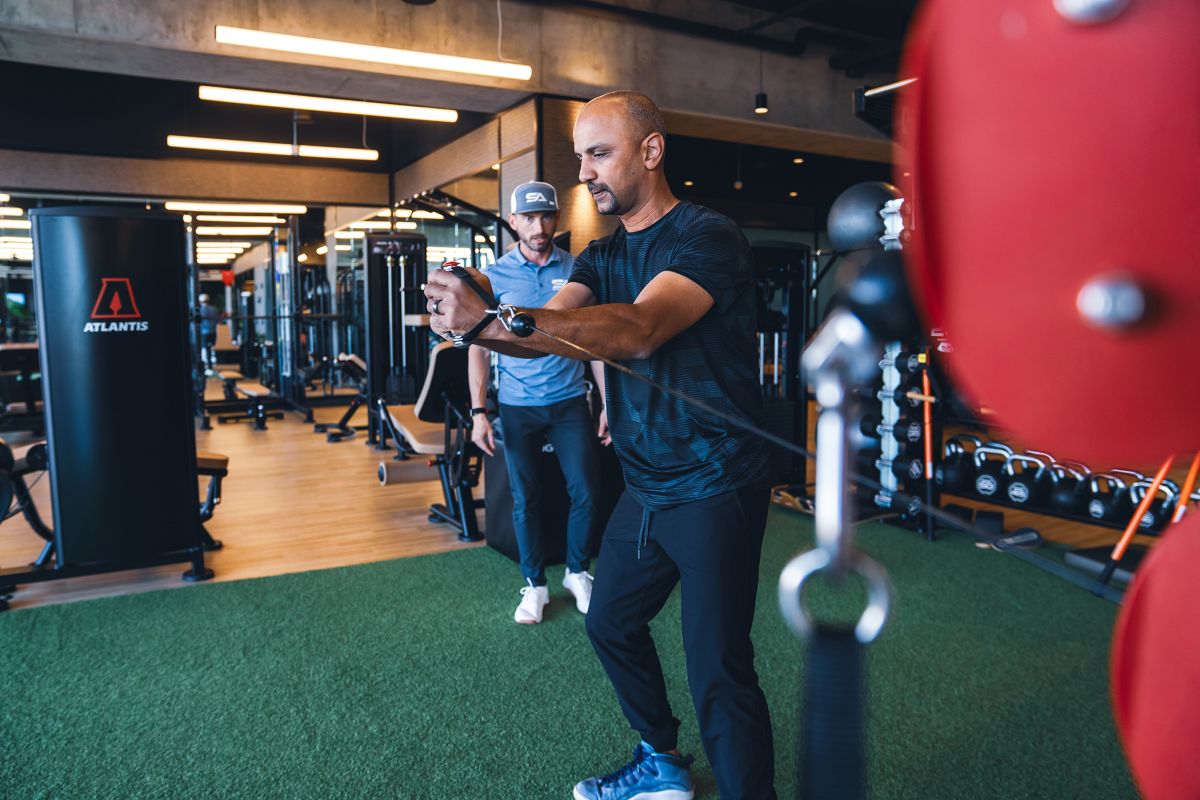
The new guidelines advocate for individualization over rigid protocols. Programs should be tailored to an individual’s goals, experience level, and lifestyle to maximize adherence and enjoyment.
The 2026 ACSM Position Stand simplifies the path to better health: Perform resistance training at least twice a week with high effort. While you can fine-tune variables like load and volume to chase specific goals like maximal strength or peak power, the most important step is simply getting started. Whether you use a barbell, a resistance band, or your own body weight, the science is clear: resistance training contributes to living a longer, healthier life.

Psst...if you made it this far, congratulations! You're clearly a master of fine print detection. Now, let's put those detective skills to good use and schedule a consultation call or reach out through the little buttons below.
Psst...if you made it this far, congratulations! You're clearly a master of fine print detection. Now, let's put those detective skills to good use and schedule a consultation call to see how this all works in real life.
