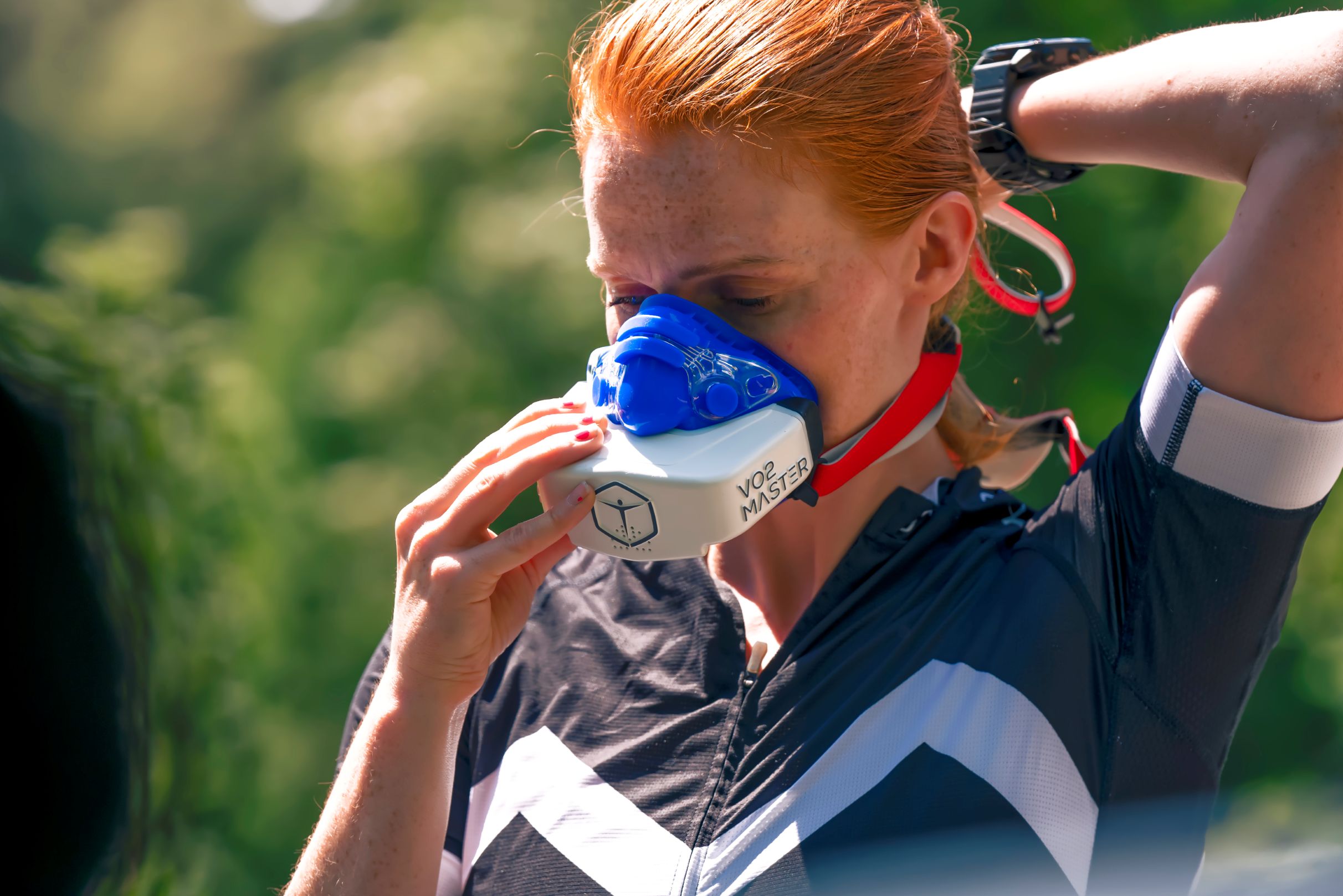


In the world of endurance sports, VO2 max values—the maximum rate at which an individual can utilize oxygen during intense exercise—is often hailed as the gold standard of cardiorespiratory fitness. It is a well-documented observation that, on average, highly trained men exhibit higher VO2 max values than similarly trained women. But for decades, scientists have debated the exact physiological "why" behind this gap. Is it a difference in heart size? Lung capacity? Muscle efficiency?
Men have higher VO2 max values because women have 10% lower concentration of hemoglobin in their blood and therefore less oxygen-carrying capacity.
A 2025 study published in The Journal of Physiology provides some of the most definitive answers to date. The researchers took a deep dive into the oxygen transport of 23 highly trained cyclists and triathletes.
The results reveal that the difference in VO2 max values between men and women isn't about the heart size or the muscle efficiency, but rather about two primary factors:
When looking at absolute numbers (liters of oxygen per minute), males in the study had a VO2 max roughly 31–34% higher than females, but when they normalized these values to body mass (ml/kg/min), the gap narrowed to roughly 15–20%.
But even this doesn't tell the whole story because body fat doesn't consume much oxygen during exercise; it is the lean body mass—primarily skeletal muscle—that does the heavy lifting.
When the researchers normalized VO2 max values to lean body mass, the sex difference shrank significantly to about 10–14%.
This 10% represents the true physiological gap that remains once we account for the fact that men generally have more muscle and less body fat than women.
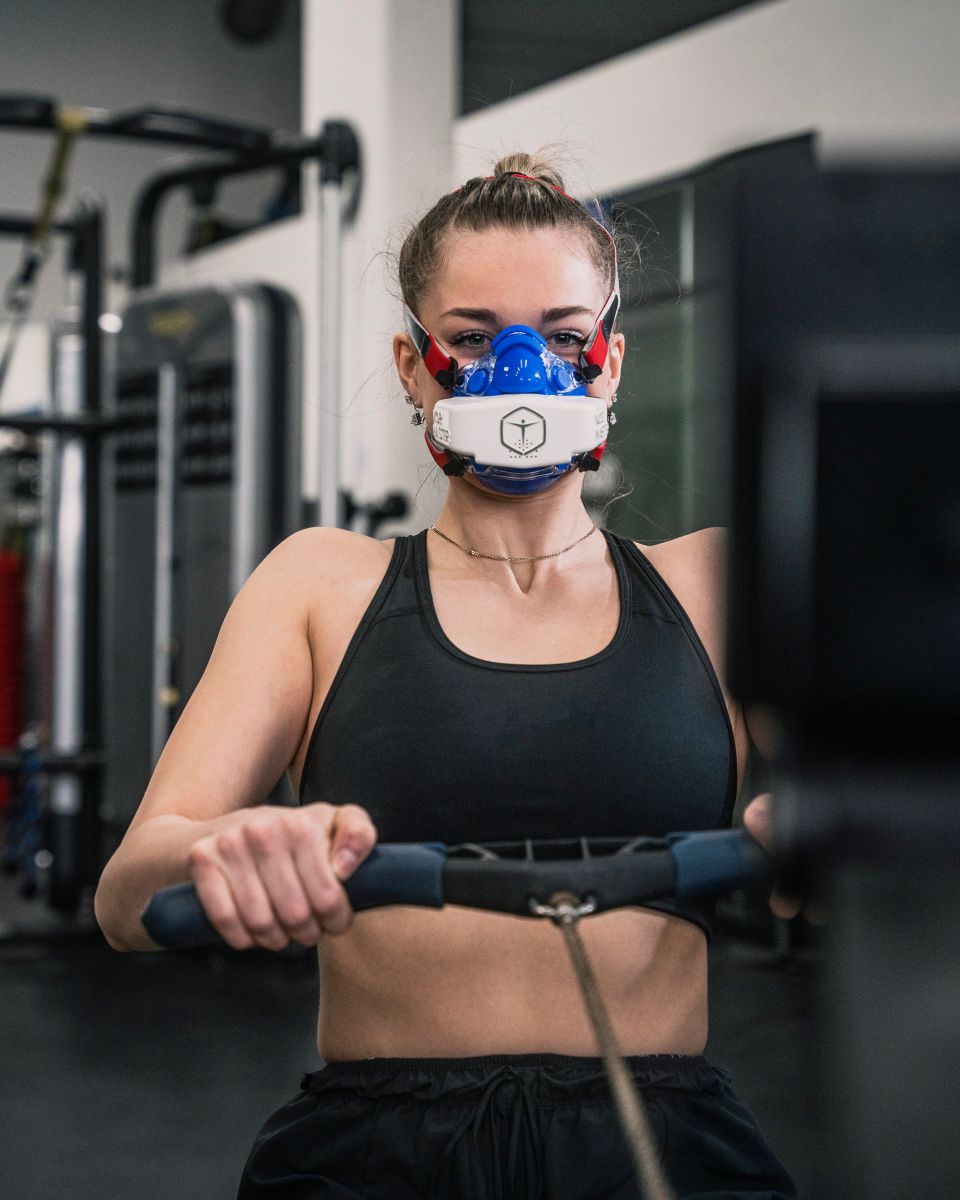
One of the most persistent myths is that the female heart is inherently less capable of pumping blood during maximal effort. The Skattebo study debunked this by looking at maximal cardiac output (the total volume of blood pumped per minute) and stroke volume (the amount of blood pumped per beat).
While the men’s hearts pumped about 26% more blood per minute than the women’s; the study found that when these values were normalized to lean body mass, the differences completely disappeared.
Essentially, a female athlete’s heart is just as powerful as a male’s relative to the amount of muscle it needs to support.
If the hearts are equally matched relative to muscle mass, why is there still a 10% difference?
The answer lies in the quality of the blood being pumped.
The researchers found that the female athletes had approximately 10% lower hemoglobin concentration and arterial oxygen content than the males. Hemoglobin is the protein in red blood cells that carries oxygen from the lungs to the muscles.
Because women have less hemoglobin, every liter of blood their heart pumps carries less oxygen/fuel to the working muscles.
This lower oxygen-carrying capacity was the primary mechanism identified by the study for the lower VO2 max values in females.
Even though the female heart pumps the same amount of blood per kilogram of muscle, that blood is simply less saturated with the oxygen required to sustain maximal performance.
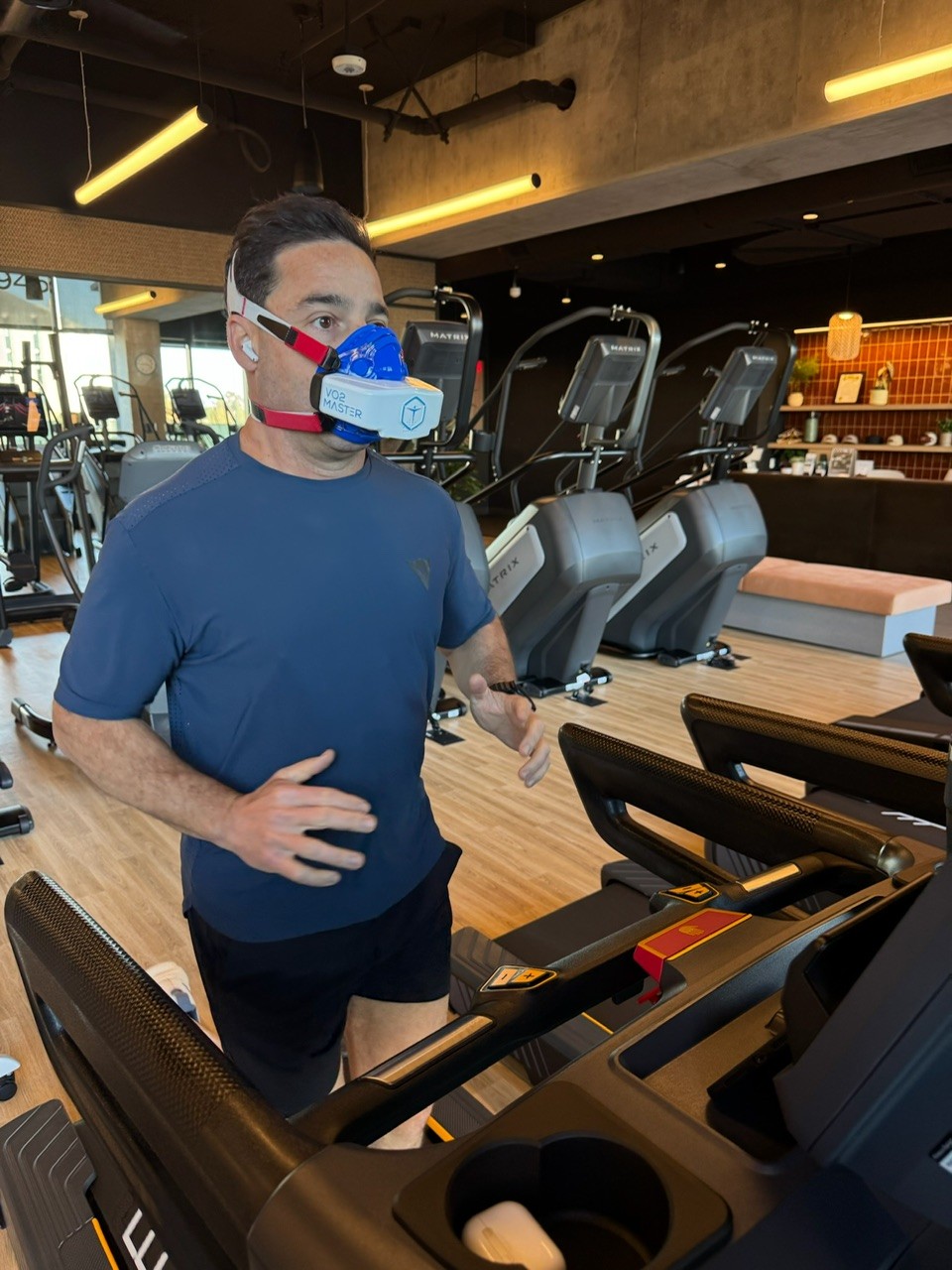
The study also looked at the muscles themselves. They used biopsies of the vastus lateralis (a major thigh muscle) to examine mitochondrial density and capillarization.
The findings were:
Mitochondrial Density: The volume of mitochondria was similar between the sexes.
Capillary Density: When adjusted for muscle fiber size, the density of capillaries (the tiny blood vessels delivering oxygen to fibers) was nearly identical.
Oxygen Extraction: Most impressively, both men and women were equally adept at utilizing oxygen from the blood. Both sexes reached a fractional oxygen extraction of 91–92%.
This means the female muscle is not less efficient at using oxygen; it simply doesn't have as much oxygen delivered to it in the first place because of the lower hemoglobin levels.
The study notes that these sex differences in hemoglobin mass and concentration aren't present in childhood; they emerge during puberty. While the study focused on the consequences rather than the causes of this difference, it is widely understood in physiology that hormonal differences, specifically higher testosterone in males, drive greater red blood cell production.
The reason men have higher VO2 max values than women comes down to two biological realities:
Body Composition: Men have more skeletal muscle mass relative to their total weight.
Oxygen Carrying Capacity: Men have higher concentrations of hemoglobin, meaning their blood can carry about 10% more oxygen per liter than women's blood.
Critically, the study proves that the machinery is identical. The female heart pumps just as much blood per kilogram of muscle, and female muscles are just as efficient at extracting and using that oxygen as male muscles.
For female athletes and coaches, this research is empowering. It suggests that the perceived gap in endurance potential is largely a matter of blood chemistry and body composition, rather than a lack of cardiovascular or muscular fitness. It underscores the importance of focusing on lean mass and training the heart—areas where the female body responds with just as much power as the male body.

Psst...if you made it this far, congratulations! You're clearly a master of fine print detection. Now, let's put those detective skills to good use and schedule a consultation call or reach out through the little buttons below.
Psst...if you made it this far, congratulations! You're clearly a master of fine print detection. Now, let's put those detective skills to good use and schedule a consultation call to see how this all works in real life.
